
State Bank of Launches New Currency in Pakistan – Latest Updates (2026)
The new currency of Pakistan has become a topic of national discussion in recent years, especially after announcements by the State Bank regarding redesigning and upgrading Pakistani banknotes. Currency is not just paper money it represents a country’s economy, sovereignty, and financial stability. In this article, we will explore the new Pakistani currency design, security features, reasons for change, impact on the economy, and what citizens should expect in 2026 and beyond.
Introduction to Pakistan’s Currency
The official currency of Pakistan is the Pakistani Rupee (PKR). It has been in circulation since 1948, shortly after independence. Over the decades, Pakistan has introduced different designs and denominations to modernize its financial system and improve security.
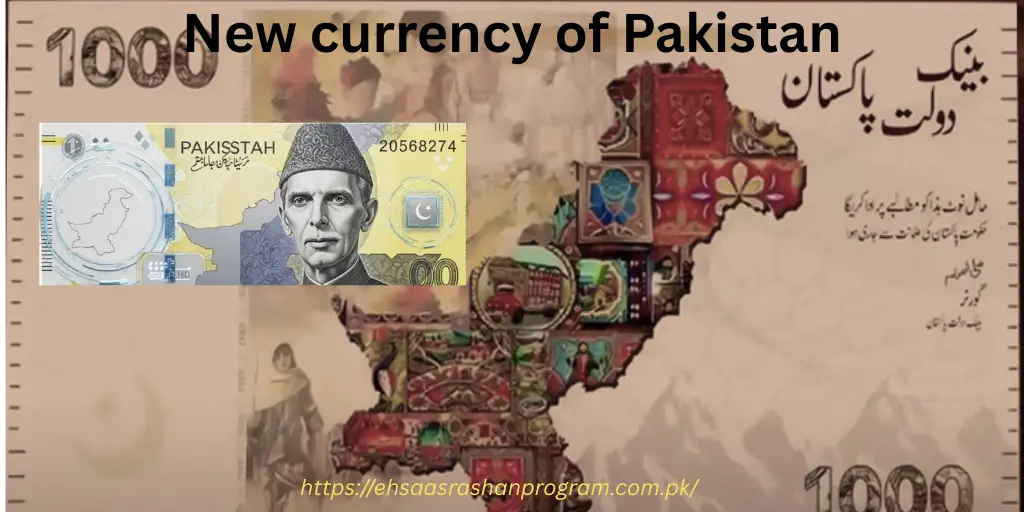
Recently, discussions about issuing a new series of banknotes have gained attention as the government aims to introduce modern security features and updated designs.
Why Is Pakistan Introducing New Currency Notes?
There are several important reasons behind introducing new currency notes:
1. Enhanced Security Features
Counterfeit currency has been a major issue globally. Modern banknotes include advanced security elements that are difficult to replicate.
2. Modern Design & International Standards
Many countries update their currency designs every 10–15 years. Pakistan is also moving towards international printing standards.
3. Durability & Quality
New polymer-based or high-quality paper notes last longer compared to old designs.
4. Public Confidence
Newly designed currency improves trust in the financial system and strengthens the image of the country’s economy.
Expected New Currency Design in Pakistan
Although official final designs may vary, reports suggest that Pakistan plans to introduce:
- Updated portraits and national symbols
- Modern color themes
- Advanced holographic security strips
- Raised printing for visually impaired citizens
- Watermarks with enhanced clarity
- Micro-text security lines
The aim is to make Pakistani currency more secure and visually modern.
Also read Livestock Card 2026 Punjab – Online Registration, Rs 2 Lakh Loan & Last Date
Current Currency Denominations in Pakistan
As of now, the commonly circulated denominations include:
- 10 Rupees
- 20 Rupees
- 50 Rupees
- 100 Rupees
- 500 Rupees
- 1000 Rupees
- 5000 Rupees
The new series is expected to gradually replace these notes while keeping the same denominations.
Will Old Currency Notes Become Invalid?
One common question people ask is whether old notes will become invalid immediately.
Usually, when a country introduces new banknotes:
- Old notes remain valid for a specific transition period.
- Citizens are given enough time to exchange old currency at banks.
- The central bank announces deadlines clearly.
Therefore, there is no need to panic if new notes are introduced. The government ensures a smooth transition.
Also read Free Solar Panel Scheme 2026 – PM Solar Program Gilgit Baltistan Details
Security Features in the New Pakistani Currency
Modern banknotes may include:
1. Holographic Security Thread
A shiny strip embedded in the note that changes color when tilted.
2. Microprinting
Tiny text printed on the note that is visible only under magnification.
3. Raised Printing
Helps visually impaired people identify denominations.
4. See-Through Register
Design elements that align perfectly when viewed against light.
5. Watermarks
Advanced watermark images visible when held against light.
6. UV Features
Invisible elements that glow under ultraviolet light.
These features significantly reduce the risk of fake currency circulation.
Impact of New Currency on Pakistan’s Economy
Introducing new currency does not automatically change inflation or exchange rates. However, it can impact:
1. Public Confidence
Modern banknotes increase trust in financial institutions.
2. Anti-Counterfeit Control
Reduced fake currency helps stabilize the economy.
3. International Image
Updated currency designs improve global perception.
Digital Payments vs Physical Currency
While Pakistan is modernizing its currency, digital banking and mobile wallets are also growing rapidly.
- Online banking
- Mobile payment apps
- Digital wallets
- QR code payments
However, cash remains essential in rural areas and informal sectors. Therefore, updating physical currency remains important.
Possible Introduction of Polymer Notes
Many countries have shifted to polymer notes because:
- They last longer
- They are water-resistant
- They are harder to counterfeit
If Pakistan adopts polymer banknotes, it would be a major modernization step.
Announcements by the State Bank
Role of the State Bank of Pakistan
The State Bank is responsible for:
- Designing currency
- Printing banknotes
- Managing circulation
- Controlling inflation
- Maintaining monetary policy
Any official announcement about new currency always comes through the State Bank.
Public Reactions to New Currency
Citizens generally react positively to:
- Fresh designs
- Improved durability
- Advanced security features
However, misinformation can create confusion. It is important to rely on official announcements only.
How to Exchange Old Notes (If Required)
If a new series replaces old notes:
- Visit your nearest bank branch
- Carry original CNIC
- Exchange within announced deadline
- Avoid unofficial currency agents
Banks handle the process smoothly without extra charges.
FAQs – New Currency of Pakistan
Q1: Is Pakistan launching new currency in 2026?
There are discussions about introducing a new series, but official confirmation and timeline come from the State Bank.
Q2: Will old notes stop working?
Usually, old notes remain valid during a transition period.
Q3: Why introduce new banknotes?
To improve security, reduce counterfeiting, and modernize the currency.
Q4: Will the value of rupee change?
No. Redesigning currency does not change its value.
Q5: Will Pakistan introduce digital currency?
Pakistan is exploring digital financial systems, but physical cash remains in use.
Conclusion
The introduction of the new currency of Pakistan represents modernization, improved security, and enhanced economic stability. While changes in design and security features are expected, the value of the Pakistani Rupee remains the same.
Citizens should stay informed through official announcements and avoid rumors. Currency updates are a normal part of a country’s financial evolution and reflect progress toward stronger economic management.
As Pakistan moves toward financial modernization, both physical and digital currency systems will continue to play important roles in the country’s economy.